
Perseid meteor shower 2026: When is it and how to watch
–>
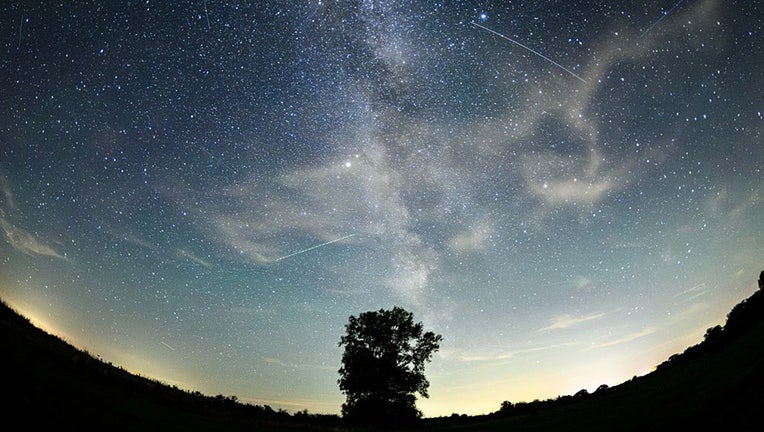
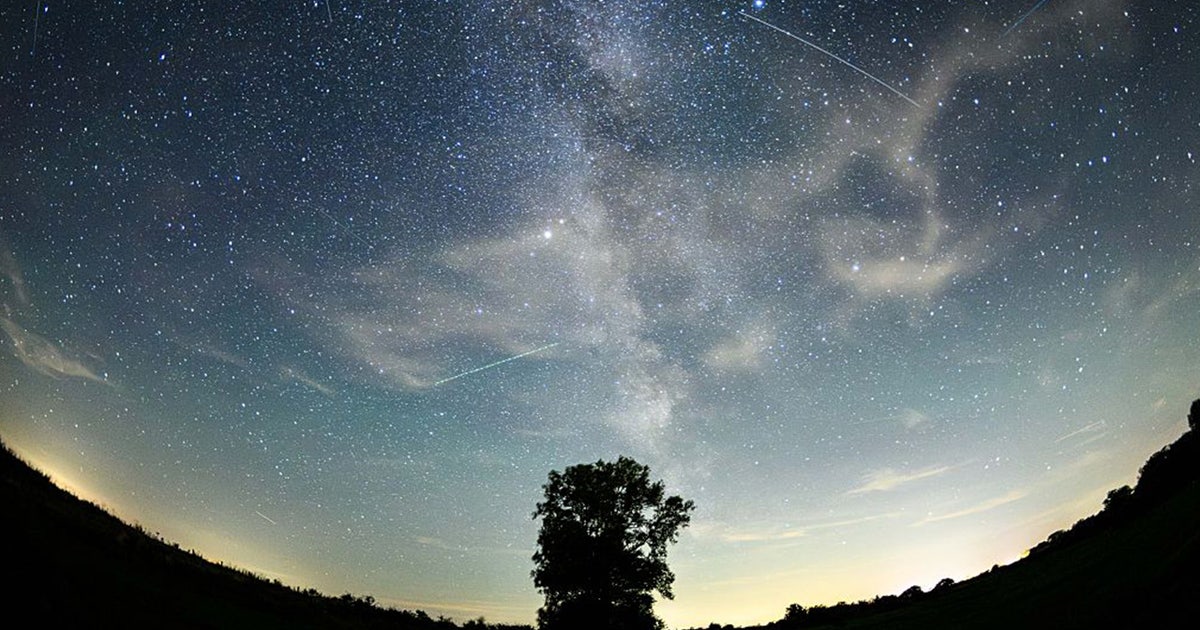
FILE – Numerous flying objects, such as airplanes and satellites, can be seen in the night sky as trails of light around the Milky Way. (Photo by Daniel Reinhardt/picture alliance via Getty Images) –>
<!–>
–>
Sky watchers, get excited!
The Perseid meteor shower will peak on the night of August 12-August 13.
<!–>
What makes this year’s meteor shower extra special is that the moon will be a new moon, which means visibility of the shower will be that much better – weather permitting.
–>
<!–>
Perseid meteor shower
–>
The backstory:
<!–>
The Perseid meteor shower takes place every year, typically during July and August.
–>
This year, the shower began on July 17 and will end on August 24, according to the American Meteor Society.
<!–>
When to watch
–>
What you can do:
<!–>
The best times to watch will be in the night of August 12 and early into the morning of August 13. There is also a chance to catch a few meteors in the sky on August 14, but the Perseids have a pretty steep drop-off point once the peak has passed.
–>
Look toward the east-northeast horizon to catch a glimpse of some meteors, EarthSky.org advised.
<!–>
What is a meteor shower?
–>
Dig deeper:
<!–>
As the Earth orbits the sun, several times a year it passes through debris left by passing comets and sometimes asteroids.
–>
The source of the Perseids is debris from comet 109P/Swift-Tuttle.
<!–>
When these fast-moving space rocks enter Earth’s atmosphere, the debris encounters new resistance from the air and becomes very hot, eventually burning up.
–>
Sometimes the surrounding air glows briefly, leaving behind a fiery tail — the end of a “shooting star.”
<!–>
You don’t need special equipment to see the various meteor showers that flash across annually, just a spot away from city lights and clear skies.
–>
When is the next meteor shower?
<!–>
What’s next:
–>
The next major meteor shower is the Orionids, which become active between October 2 through November 12, with a peak on October 23, according to the American Meteor Society.
<!–>
The Source: Information for this article was taken from EarthSky.org, the American Meteor Society, The Planetary Society, and previous reporting by FOX Local. This story was reported from San Jose.
–> <!–>
–>
Original source: https://www.livenowfox.com/tag/science
